
Hair Loss & Scalp Health Blog
Welcome to the Trichology Hair & Scalp Clinic blog, where Trichologist Edna Lindsey shares educational articles about hair loss, scalp health, and treatment options. Explore practical information about alopecia, hair thinning, dandruff, scalp irritation, and other common scalp concerns. New articles can help readers understand available approaches, including blue light therapy, infrared heat therapy, oxygen therapy, steam therapy, and hair mineral testing. Browse by category to find focused guidance, read featured articles, and stay connected through the newsletter. When you are ready to discuss your hair or scalp concerns, use the consultation call to action to contact the clinic. Trichology Hair & Scalp Clinic serves Little Rock, AR, as well as Bryant, Hot Springs, Conway, and Central Arkansas.
Hair Cosmetics Mistakes That May Be Working Against Your Hair Growth
Hair cosmetics mistakes can leave hair feeling coated or dry and may irritate the scalp. They can also contribute to breakage, making it harder to retain length. The right products and habits depend on your hair texture, scalp condition, styling routine, and personal sensitivities. Small, thoughtful changes may support a healthier scalp environment, but hair products alone cannot address every cause of shedding or thinning.
Table of Contents
- Using too much product
- Choosing products with harsh ingredients
- Not reading the ingredient list
- Using heavy oils and butters frequently
- Choosing products that do not suit your hair type
- Over-washing or under-washing
- Using heat too often
- Wearing tight styles with product buildup
- Not cleansing styling tools
- Skipping regular scalp care
- Tips for healthy use of hair cosmetics
1. Using Too Much Product
The mistake: Applying extra styling cream, gel, oil, or spray in hopes of getting more hold, shine, or nourishment.
Why it may work against you: Excess product can accumulate on the hair and scalp, leaving strands weighed down and contributing to scalp buildup. Residue may be uncomfortable, especially if it is not thoroughly washed away. Product buildup does not automatically cause hair loss, but an irritated or uncomfortable scalp deserves attention.
Try instead: Start with a small amount, follow the product directions, and add more only if needed. Apply styling products mainly to the lengths when appropriate, rather than layering them directly onto the scalp.
2. Choosing Products With Harsh Ingredients
The mistake: Using a shampoo, styling product, or treatment that leaves the scalp feeling persistently dry, tight, itchy, or irritated.
Why it may work against you: Formulas affect people differently. Fragrance, preservatives, and cleansing agents may bother some sensitive scalps, while a product that works well for one person may not suit another. A burning sensation, rash, or persistent itch can be a sign to stop using a suspected product and seek professional advice.
Try instead: Choose a formula that feels comfortable for your scalp and hair. “Natural” or “sulfatefree” on a label does not guarantee that a product will be suitable for everyone. If symptoms persist, review your routine with a qualified professional.
3. Not Reading the Ingredient List
The mistake: Choosing products based only on a front-label promise, fragrance, or trend without checking the ingredients.
Why it may work against you: The ingredient list can help you spot substances you already know you are sensitive to and understand whether a formula is designed for cleansing, conditioning, or styling. It can also help you investigate a possible reaction when a new product coincides with irritation.
Try instead: Read the label before purchasing, introduce new products one at a time, and keep track of any changes in comfort or scalp condition. If a reaction develops, stop the suspected product and seek guidance.
4. Using Heavy Oils and Butters Frequently
The mistake: Applying thick oils or butters often, particularly near the roots, without considering how your scalp responds.
Why it may work against you: Rich products can leave residue and make some scalps feel greasy or uncomfortable. They may also weigh down fine hair. Oils and butters are not inherently harmful, but frequent use without adequate cleansing may contribute to buildup.
Try instead: Use a modest amount on the lengths if it suits your hair, and adjust based on how your scalp feels. Cleanse when residue or oil accumulates rather than adding more product to mask it.
5. Choosing Products That Do Not Suit Your Hair Type
The mistake: Using a product because it works for someone else, without accounting for your own hair texture, density, porosity, chemical processing, or scalp needs.
Why it may work against you: Heavy formulas may flatten fine strands, while lightweight products may not provide enough conditioning for dry or textured hair. A product intended for the hair shaft may also be unsuitable for an easily irritated scalp.
Try instead: Choose products for both your hair and scalp needs. Notice whether your hair feels coated, brittle, limp, or easier to manage after use, and adjust your routine accordingly.
6. Over-Washing or Under-Washing
The mistake: Following a fixed washing schedule even when your scalp’s needs change, or avoiding washing because you believe it will make hair shed.
Why it may work against you: There is no single schedule for everyone. Washing too aggressively or too often with a drying formula may leave the scalp and hair uncomfortable; washing too infrequently may allow sweat, oil, flakes, and styling products to collect. Washing does not make follicles grow faster, and washing less does not preserve growth.
Try instead: Let your scalp, lifestyle, styling products, and hair texture guide your routine. Shampoo the scalp gently and condition the lengths as needed. If itching or flaking continues, consider whether a scalp condition may need professional evaluation. The American Academy of Dermatology’s healthy-hair guidance offers additional general care tips.
7. Using Heat Too Often
The mistake: Frequently using hot tools or applying high heat to hair that is already fragile, dry, or chemically processed.
Why it may work against you: Excess heat can damage the hair shaft and contribute to breakage. Breakage may make hair appear thinner or prevent you from retaining length, even though it is different from a problem with follicle growth.
Try instead: Reduce heat styling when possible, use the lowest effective setting, and allow hair to airdry partly before blow-drying. Handle hair gently, and follow tool and product directions.
8. Wearing Tight Styles With Product Buildup
The mistake: Keeping tight ponytails, braids, buns, or extensions in place while product residue accumulates around the scalp and hairline.
Why it may work against you: Repeated tension can stress the hairline and contribute to breakage or traction-related hair loss. Tightness, residue, and discomfort can also make scalp care harder. Pain, stinging, bumps, or crusting are signs to change the style promptly.
Try instead: Choose comfortable styles, reduce tension, and vary how you wear your hair. Keep the scalp clean in ways that suit your style, and avoid leaving a painful hairstyle in place. The American Academy of Dermatology’s advice on hairstyles that pull explains why reducing tension matters.
9. Not Cleansing Styling Tools
The mistake: Reusing brushes, combs, and other styling tools without removing shed hairs and product residue.
Why it may work against you: Dirty tools can transfer oils and styling products back onto freshly washed hair. Residue can also collect on combs and brushes, making them less pleasant to use
Try instead: Remove trapped hair regularly and wash tools as appropriate for their material and design. Let them dry fully before storing. Clean tools are a simple part of a consistent scalp care routine.
10. Skipping Regular Scalp Care
The mistake: Focusing only on the visible hair and overlooking scalp comfort, cleansing, or persistent changes such as itching and flaking.
Why it may work against you: The scalp is living skin. Ongoing irritation or scaling can have different causes, and guessing at the solution may prolong discomfort. A healthy routine supports scalp care, but it cannot diagnose or treat every scalp disorder.
Try instead: Check in with your scalp when you wash and style. If discomfort, excessive flaking, or shedding persists, seek an evaluation rather than repeatedly changing products. Learn more about common concerns on the clinic’s scalp disorders page.
Tips for Healthy Use of Hair Cosmetics
- Choose products formulated for your hair and scalp needs. Consider texture, density, chemical processing, and scalp sensitivity.
- Use products in the correct amount. Begin with less and follow label directions.
- Read and understand the ingredient list. Keep track of ingredients you may not tolerate.
- Keep your scalp clean and free of buildup. Adjust cleansing to your routine and scalp’s needs.
- Limit heat use. Reduce frequency and use a lower effective setting.
- Clean your styling tools regularly. Remove hairs and product residue.
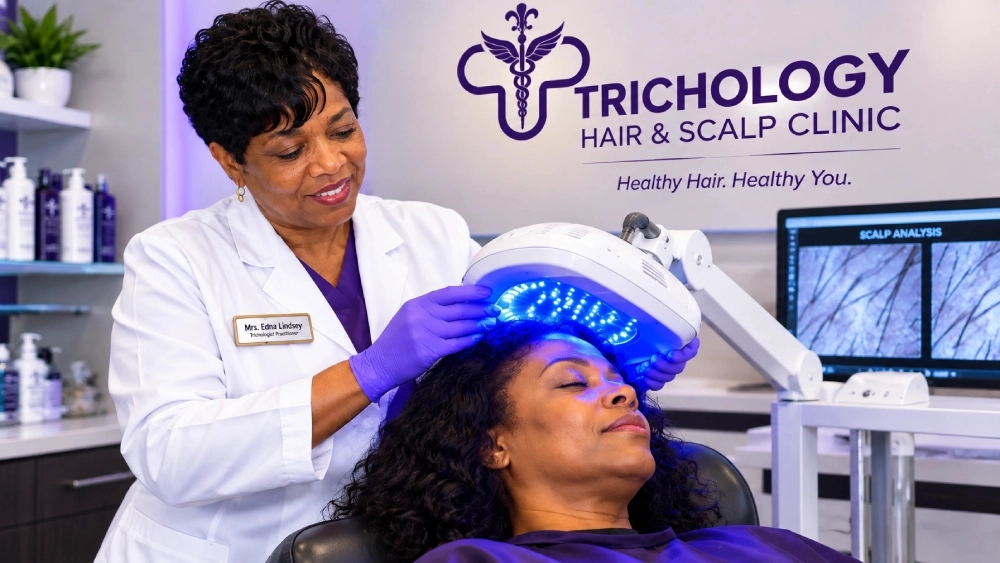
- Include professional therapeutic scalp treatments in your hair care routine. A practitioner can discuss whether options such as scalp exfoliation, steam therapy, or blue light therapy may be appropriate for your needs. See the clinic’s treatment information.
Find Out What Your Scalp Actually Needs
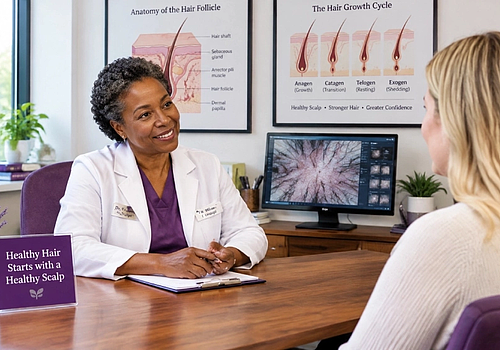
Changing products can be a useful first step, but persistent shedding, irritation, or flaking may have more than one contributing factor. A professional evaluation can review your medical history, lifestyle, and hair-care habits alongside a painless digital microscopic scalp exam. This closer look may help identify visible scalp concerns and guide personalized recommendations.
Trichology Hair & Scalp Clinic serves clients in the Little Rock area, as well as Hot Springs and Conway. The clinic is located at 3614 Market Place Avenue, Bryant, AR 72022. To discuss a consultation, Call 501-943-7161 or visit tricho-clinic.net. The team is ready to serve you with attentive, individualized care.
Written or reviewed by Trichologist Edna Lindsey, Board-Certified Trichologist
The Related Live Posts: Mineral Strand Testing: May Be the Secret to Healthier Hair and 10 Reasons Your Hair Loss Treatment Isn't Working (And How to Fix It)

‹ Back
Recent Posts
-
Hair Cosmetics Mistakes That May Be Working Against Your Hair Growth
November 3, 2026
-

Why Healthy Hair Begins with a Healthy Scalp
August 6, 2026
-

-
Mineral Strand Testing: May Be the Secret
June 20, 2026